How to Fall Asleep Fast Naturally in 2026 (Evidence-Based, No Pills)
Millions search "how to fall asleep fast" every night. The good news: the most effective methods are free or low-cost and backed by sleep science.
The 10-Minute Wind-Down That Works 1. Dim lights 60 minutes before bed (or use warm red/orange bulbs). 2. No screens or use strong blue blockers + night mode. 3. 4-7-8 breathing or box breathing: inhale 4, hold 7, exhale 8. Repeat 4–6 cycles. 4. Progressive muscle relaxation from toes to head.
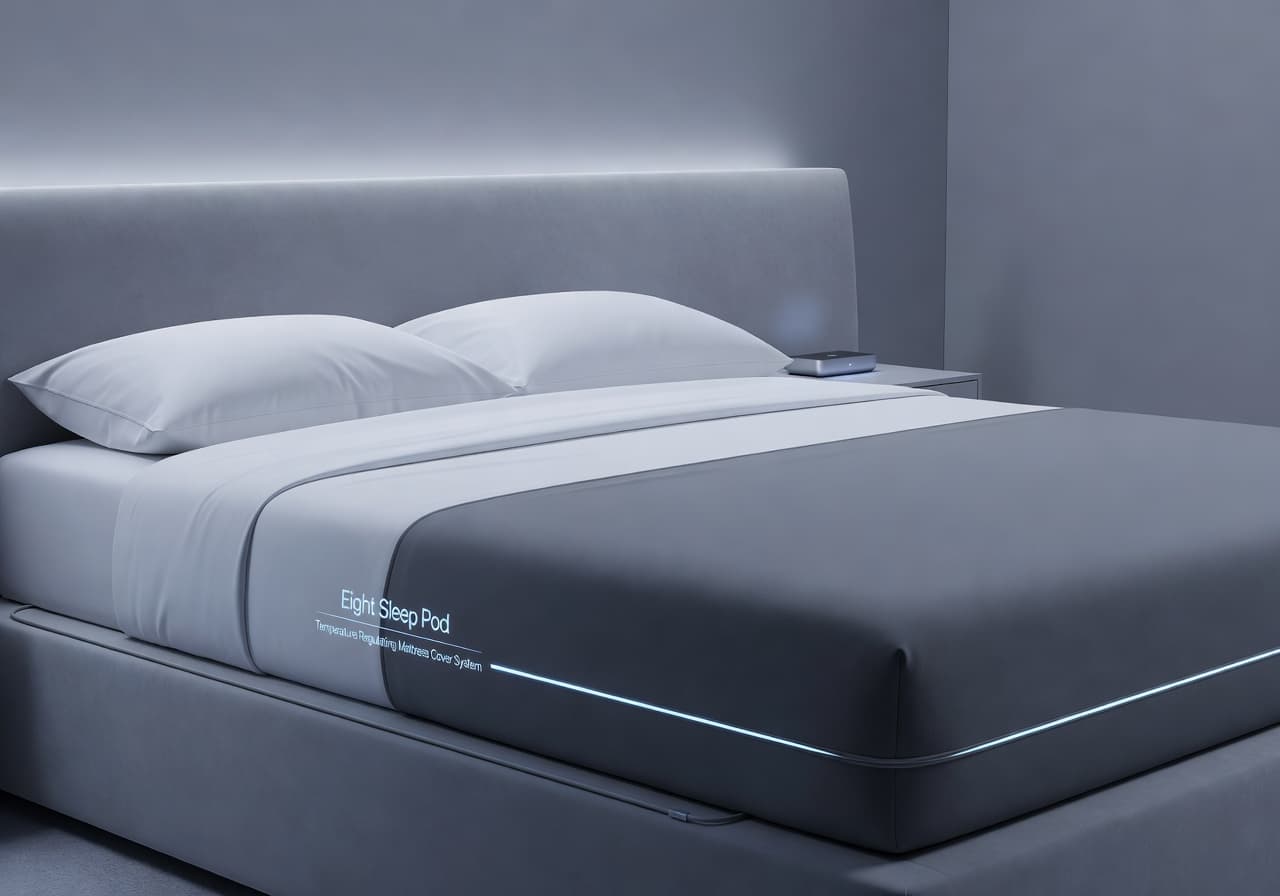
Temperature & Environment Hacks - Cool room (15–19°C / 60–67°F) is the single biggest environmental lever. - Hot shower or bath 1–2 hours before bed (then cool room = natural temperature drop). - Blackout + quiet (or consistent pink/white noise).
Mouth Taping & Nasal Breathing for Faster Sleep Onset Many chronic mouth breathers wake more often and take longer to fall back asleep. Once nasal breathing is trained (with proper hygiene + gentle mouth tape like Dream Recovery or MyoTape for sensitive users), users commonly report falling asleep faster and fewer middle-of-night awakenings.
See our full guide: [How to Stop Mouth Breathing at Night](/blog/how-to-stop-mouth-breathing-at-night) and the [Mouth Tape Hub](/mouth-tape).
**Important:** Only attempt mouth taping if you can comfortably breathe through your nose. Test during the day first.
When Racing Thoughts or Sleep Anxiety Keep You Awake - Journal "brain dump" 30 min before bed (get worries on paper). - Schedule a "worry time" earlier in evening. - Body scan meditation or non-sleep deep rest (NSDR) protocols (free on YouTube from Huberman Lab style resources). - Consistent wake time even after bad nights (protects circadian rhythm).
What the Data Shows Studies on stimulus control and sleep restriction therapy (core CBT-I components) show 70-80% of insomnia sufferers improve without medication. Sleep hygiene alone helps many; for persistent issues, CBT-I or a sleep specialist is gold standard.
Mouth taping is a supportive tool for the breathing piece — not a standalone insomnia cure.
Start with the Tier 1 foundations from our [2026 Sleep Hygiene Checklist](/blog/sleep-hygiene-2026). Most people see results in 3–7 nights.
This is not medical advice. If you have chronic insomnia or anxiety affecting sleep, speak with a doctor or CBT-I provider.
Enjoyed this? Get more evidence-based sleep content weekly.

Weekly Sleep Insights
Evidence-based tips, new product tests, and sleep science summaries. No spam, ever. Unsubscribe anytime.
We respect your inbox. Read our privacy policy.