Guides • 12 min read
How to Stop Mouth Breathing at Night: A Practical 30-Day Plan
SleepBetterHub Editorial Team • January 5, 2026
Most chronic mouth breathers during sleep have underlying reasons: nasal congestion, weak oral posture, allergies, or simply habit from years of mouth breathing.
Taping is a "forced practice" tool. Real lasting change comes from addressing the root and building the habit.
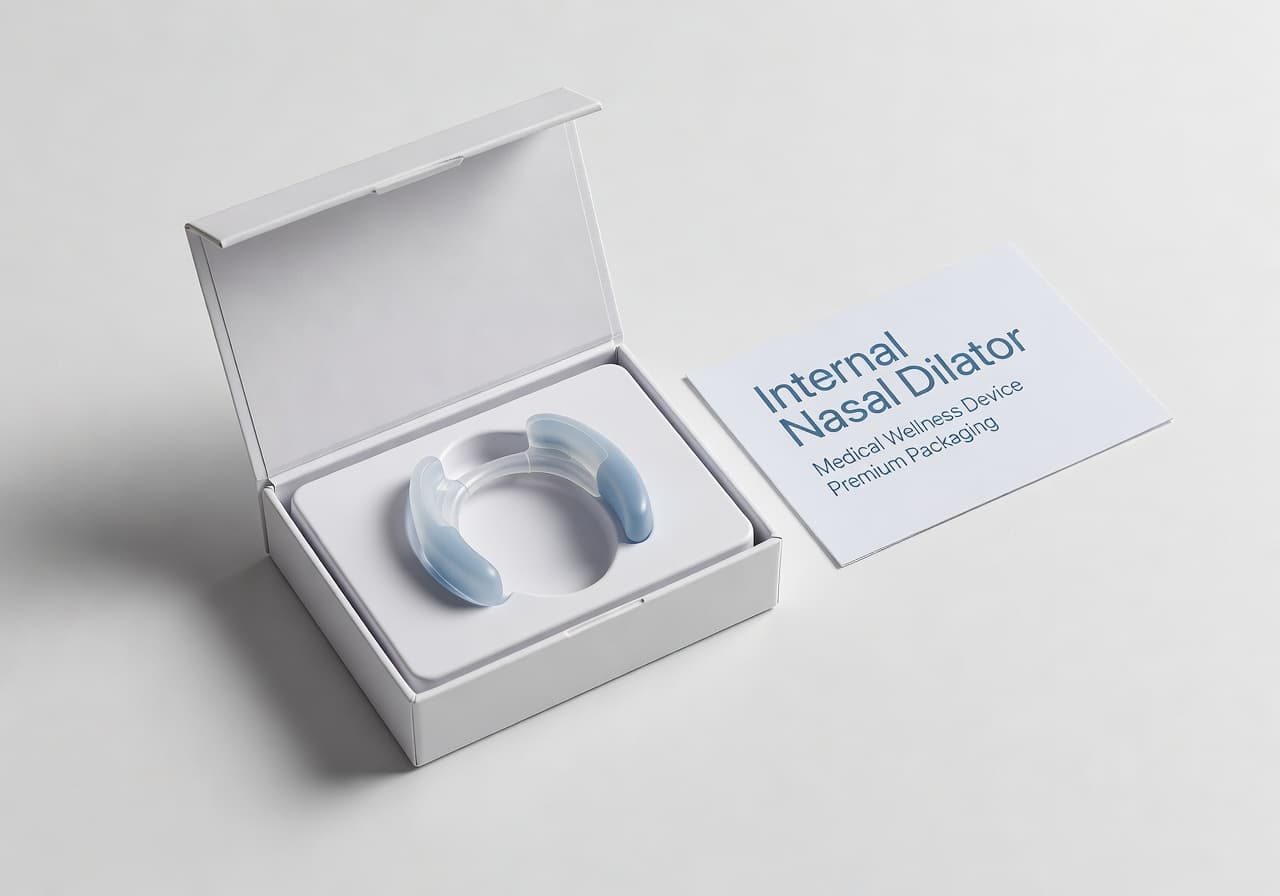
Week 1-2: Nasal Hygiene Foundation (Do This First) - Saline rinse (NeilMed or neti pot) twice daily - Nasal strips or internal dilators at night - Allergen-proof your bedroom (wash bedding hot, HEPA filter, no pets in bed) - Consider seeing an ENT if congestion is chronic
Week 2-3: Daytime Nasal Breathing Training - Practice 5-10 minutes of conscious nasal breathing while walking - Try "nose only" during light exercise - Tongue posture: rest tongue on roof of mouth, teeth slightly apart (Mewing basics) - Consider myofunctional therapy exercises (YouTube: "nasal breathing exercises")
Week 3-4: Introduce Mouth Taping - Start with short periods (first half of night or during a 90-min nap) - Use the gentlest tape you can find (MyoTape or Dream Recovery) - Pair with nasal dilation - Keep a journal: How did you sleep? Any panic? Tape still on in morning?
Ongoing: Lifestyle Factors - No heavy meals or alcohol within 3 hours of bed - Elevate head slightly if reflux is an issue - Strength train (especially neck and upper airway muscles over time) - Manage weight if relevant
Many people report that after 3-6 weeks of consistent work, they naturally wake with their mouth closed even without tape.
Mouth taping is training wheels. The goal is to not need them forever.
Enjoyed this? Get more evidence-based sleep content weekly.

Stay Informed
Weekly Sleep Insights
Evidence-based tips, new product tests, and sleep science summaries. No spam, ever. Unsubscribe anytime.
We respect your inbox. Read our privacy policy.
This article is for informational purposes only and is not medical advice. Consult qualified healthcare professionals for personal sleep concerns.