Mouth Taping Benefits and Risks: What the Science Actually Says in 2026
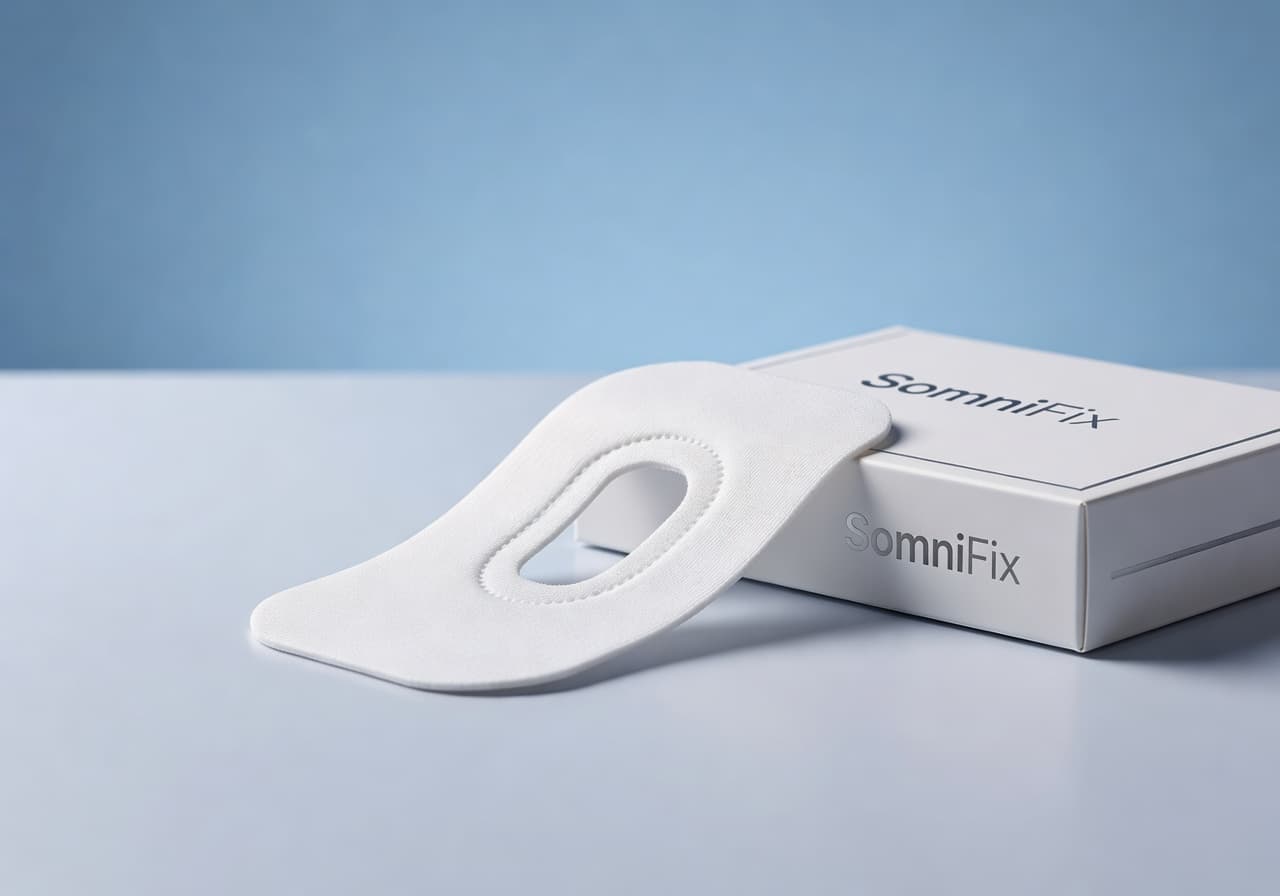
Mouth breathing during sleep is linked to poorer sleep quality, increased snoring, dry mouth, and in some cases worsened sleep apnea symptoms.
Mouth taping aims to train nasal breathing.
Documented Benefits - Reduced snoring (partner-reported and some studies) - Improved sleep efficiency and deeper sleep stages (small studies + anecdotal + wearable data) - Less dry mouth and morning breath - Potential blood pressure and HRV improvements via better CO2/O2 balance (emerging) - May help mild positional apnea when combined with side sleeping
Important Risks & Contraindications **Do NOT mouth tape if:** - You have untreated moderate/severe obstructive sleep apnea - You have significant nasal obstruction (deviated septum, severe allergies, polyps) - You are sick, congested, or have a cold - You have respiratory conditions like COPD or severe asthma - You are under the influence of alcohol or heavy sedatives
**Possible side effects:** - Skin irritation or allergic reaction to adhesive - Anxiety or panic (especially first nights) - Waking with tape partially off (frustrating) - In rare cases, people have reported feeling short of breath upon waking
The Bottom Line Mouth taping is a low-cost, low-risk intervention with potentially high reward *for the right candidates*. It is not a cure-all and should be viewed as one tool in a broader sleep hygiene strategy.
Start slow. Test during a low-stakes nap first. Have a plan B (nasal strips, dilators, or just removing the tape).
If you have any diagnosed sleep disorder, talk to your doctor or sleep specialist first.
Enjoyed this? Get more evidence-based sleep content weekly.

Weekly Sleep Insights
Evidence-based tips, new product tests, and sleep science summaries. No spam, ever. Unsubscribe anytime.
We respect your inbox. Read our privacy policy.