Sleep Optimization • 11 min read
What Your Sleep Tracker Is Actually Telling You (and What to Ignore)
Dr. Elena Voss, Sleep Researcher • July 10, 2026
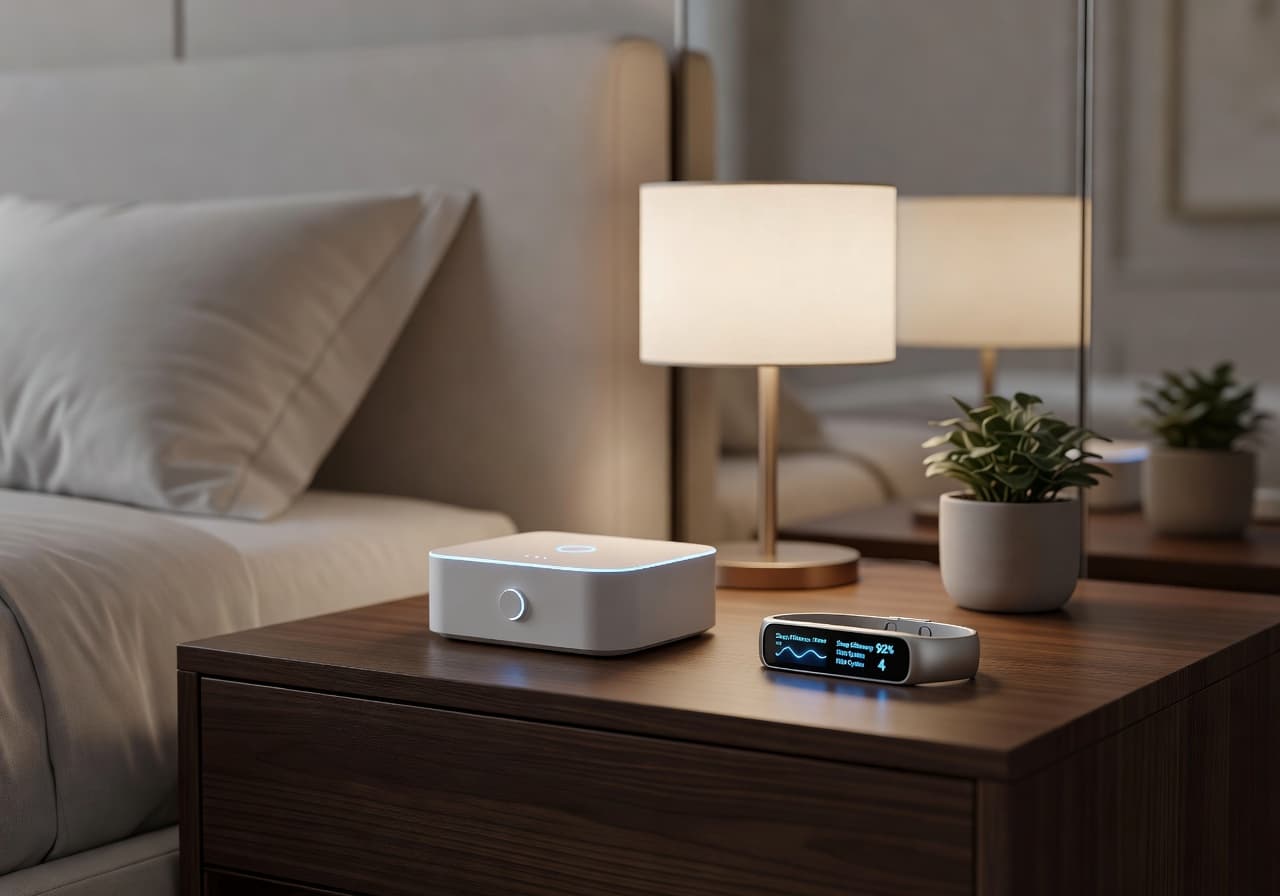
Sleep trackers are incredibly popular in 2026, but many people obsess over the wrong metrics and miss the real signals.
The Metrics That Matter Most 1. **Sleep Efficiency** (time asleep ÷ time in bed) — Aim for 85%+. Below 80% consistently is worth addressing. 2. **HRV (Heart Rate Variability)** — Higher is generally better. Big drops often mean stress, alcohol, or overtraining. 3. **Resting Heart Rate** — Lower is usually better during sleep. Spikes can indicate illness or poor recovery. 4. **Deep + REM minutes** — More important than total “sleep score” for most people. 5. **Readiness / Recovery Score** (Oura, Whoop, etc.) — Treat as a suggestion, not gospel.
What to Mostly Ignore - Exact “sleep score” out of 100 (too many black-box algorithms) - Single-night data (look at 7–14 day trends) - “Awake” time if you feel rested (some devices are bad at detecting quiet wakefulness)
How to Use Data to Actually Get Better Sleep - If HRV is chronically low → prioritize stress management, alcohol reduction, and consistent bedtimes. - If deep sleep is low → focus on temperature (cool room or cooling mattress cover like Eight Sleep) and magnesium. - If you’re waking a lot → check for mouth breathing, nasal obstruction, or sleep apnea (get tested if needed).
See our reviews of the [Oura Ring Gen3](/reviews/oura-ring-gen3) and [Eight Sleep Pod 6](/reviews/eight-sleep-pod-6).
Pro Move: Combine Data With Behavior Trackers are most useful when paired with simple experiments: - “What happens to my HRV and deep sleep when I stop mouth breathing?” - “Does cutting caffeine after 1pm improve my readiness score?”
The best users treat the device as a feedback tool, not an authority.
If your tracker is causing anxiety (orthosomnia), consider taking a break from the numbers for 2 weeks and focusing only on basics: consistent schedule, morning light, cool dark room, and nasal breathing.
Data is powerful — when you use it the right way.
Enjoyed this? Get more evidence-based sleep content weekly.

Stay Informed
Weekly Sleep Insights
Evidence-based tips, new product tests, and sleep science summaries. No spam, ever. Unsubscribe anytime.
We respect your inbox. Read our privacy policy.
This article is for informational purposes only and is not medical advice. Consult qualified healthcare professionals for personal sleep concerns.